An AI first read of every submission. The manuscript is never kept.
Editors are trusted with ideas that are not published yet. Sealed review lets you use AI on a submission without that trust leaking: the manuscript is read in memory and never saved, only AI hosted in the EU reads it, and the review is encrypted and destroyed when you are done. Every deletion leaves a receipt you can file or show the author.
Free plan included. No credit card required.
Where Kahubi fits your work
Drop the PDF, get a desk assessment
Drop the submission as PDF or Word. In about a minute you get a suggested decision (send out, return to the authors, desk reject) with its reasons, the fit with your journal, and the issues the authors need to address.
The checks nobody enjoys, done first
Ethics approval and consent, data availability, funding and conflicts of interest, anonymisation for blind review, length and structure: each marked OK, concern or missing with a one-line note.
Know which reviewers to look for
The assessment names the expertise the peer reviewers need, specific enough to search your reviewer pool. It never suggests named people.
Or a referee report for the authors
Switch to a referee report: summary, recommendation, major and minor comments. Copy it straight into your journal system, with a separate copy that leaves out your confidential notes, or download it as Word.
Encrypted, then crypto-shredded
The review is stored encrypted with a key of its own, kept outside the database and all backups. Pick when it is destroyed: right after you download it, after 24 hours, 7 days or 30 days. When the key is gone, no copy anywhere can be read again, not even by us.
One switch for the whole board
The board owner turns on "Require sealed reviews" in Team. From then on every member’s peer reviews and similarity checks run sealed, and nobody can turn it off by mistake.
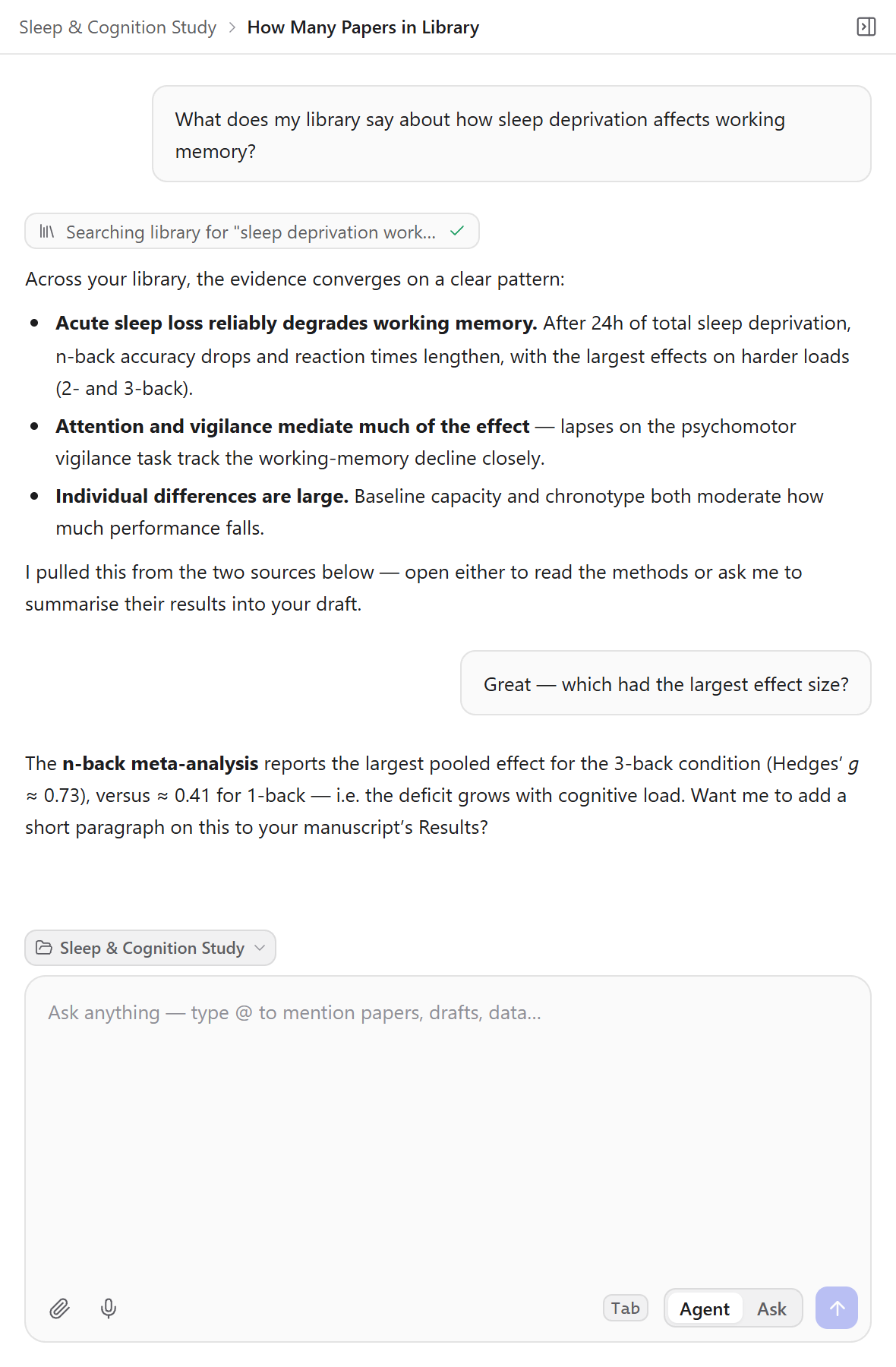
Chat with your library, not a generic chatbot
Kahubi answers from the papers, drafts, datasets, and transcripts you actually have. Type @ to pull any source into the conversation; the agent reads it, searches your library, and cites what it used.
- @-mention papers, drafts, datasets, interviews, and files
- Select text in any PDF to explain, summarize, or translate it
- Agent searches OpenAlex and the web, and imports papers for you
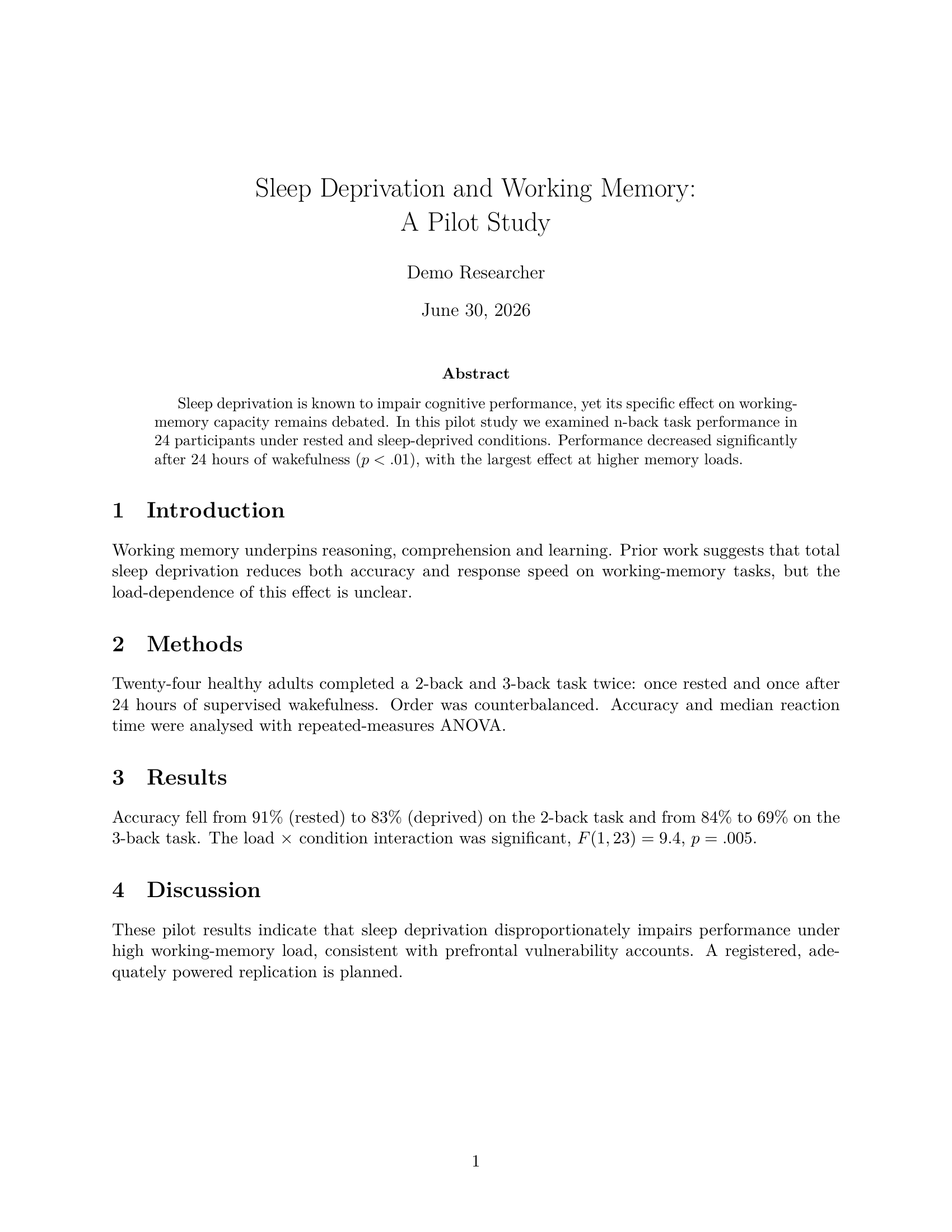
Write accurate manuscripts, grounded in your sources
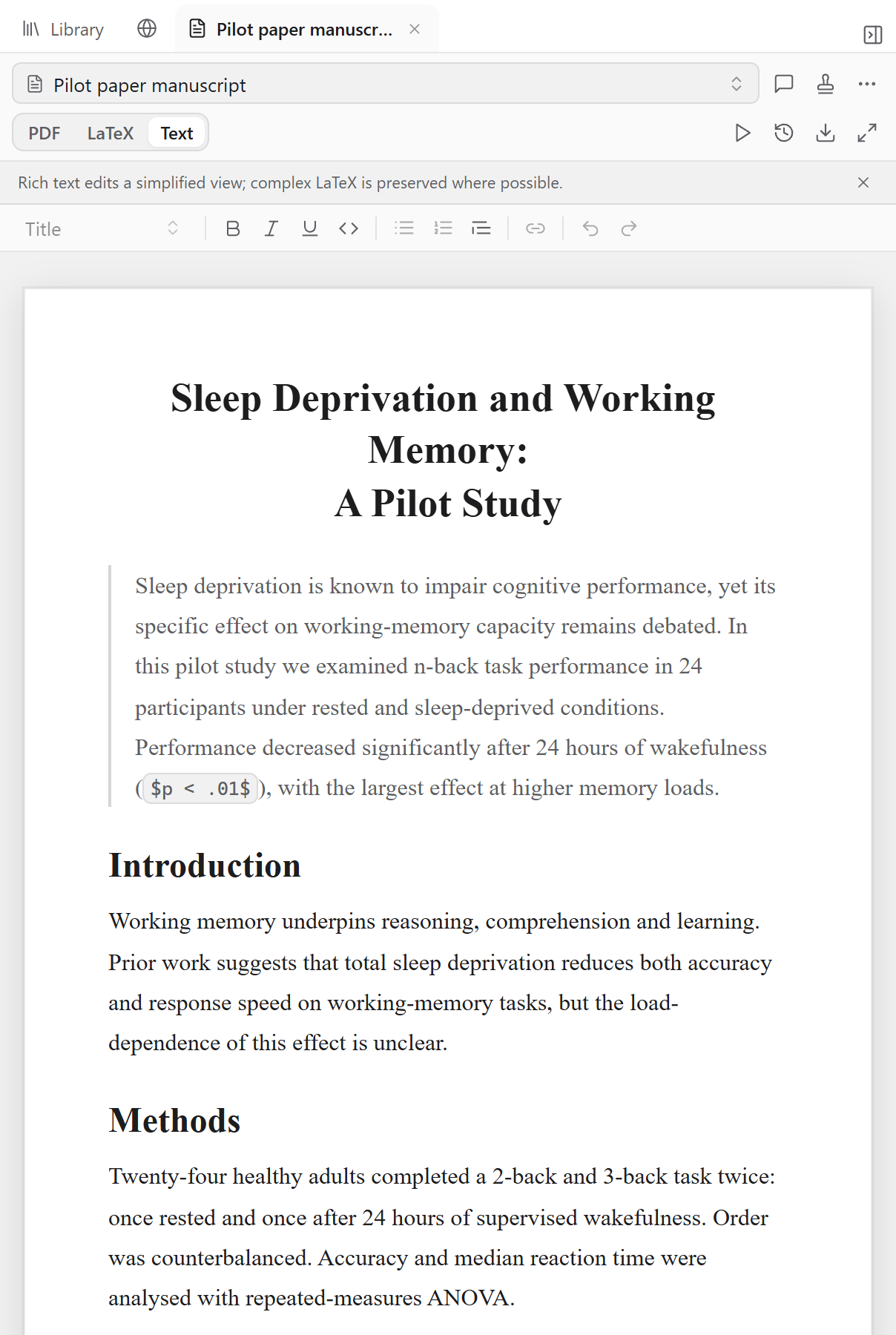
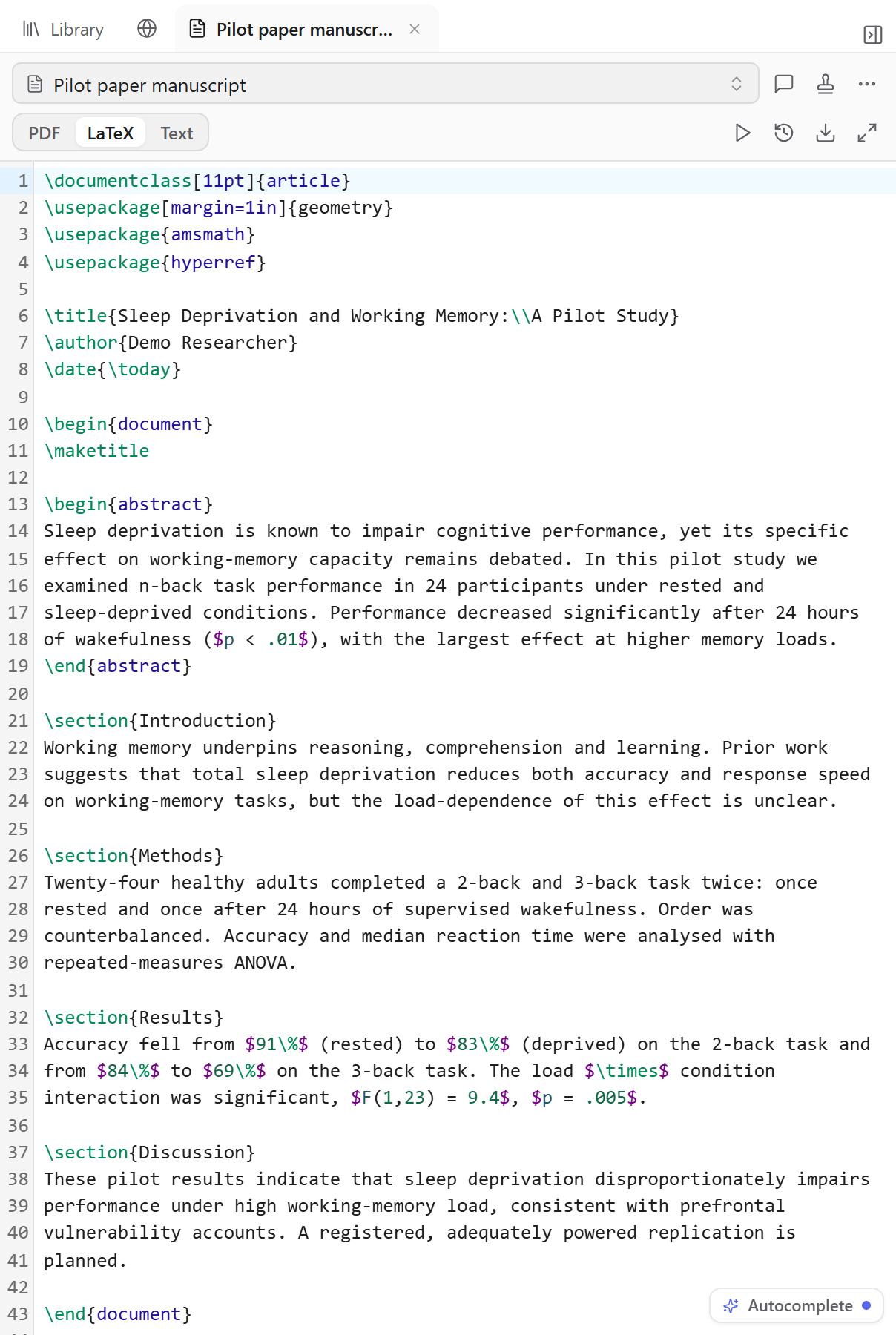
Draft in a clean editor and let the AI help — it writes in your voice, learned from your own publications, and every paragraph stays anchored to the papers, data, and notes you actually have, never invented. Read it as a formatted PDF, edit it like a Word document, or drop into LaTeX when you want fine control.
- Writes in your voice: a style profile learned from your published work, not a generic chatbot register
- Grounded in your library: the AI writes from your real papers and data, and cites what it used
- One click to a compiled PDF, plus Word (.docx) export and full version history
What changes
- The manuscript is never stored: not in a library, a project, the database or a backup
- EU only: Kahubi runs in Sweden, the AI on EU providers (Ireland, Sweden, the Netherlands); if none is available the review fails instead of leaving the EU
- Every destroyed review leaves a PDF receipt with the manuscript’s fingerprint, never its content
- A sealed similarity check on the same manuscript in one click, also EU only
- Content is not used to train AI models, and a DPA is available for journals and publishers
Common questions
Where exactly does the manuscript go?
What is actually stored, and for how long?
What can you not promise?
Can our whole editorial board use it the same way?
Do we need a contract?
Read the next submission with a sealed review
Free to start. The manuscript is never kept, and you get a receipt when the review is destroyed.