Know the state of the art before you spend a quarter rediscovering it
R&D lives and dies on knowing what is already known. Kahubi maps the literature around your problem, watches it for changes, analyzes your experimental data, and turns the results into documented reports your team — and your patent attorney — can work from.
Free plan included. No credit card required.
Where Kahubi fits your work
Map the field before committing the budget
Build a corpus around your problem and see the keyword and co-author networks — who is working on what, where the field is moving, and which groups to watch.
Feasibility questions, answered with evidence
"Has anyone made this work at scale?" Get papers screened for support or opposition to the exact claim, before the kickoff meeting rather than after the postmortem.
Competitive and scientific watch
Follow topics, technologies, and specific research groups. New publications arrive as a digest — your horizon scanning, automated.
Experimental data, analyzed in place
Run DOE follow-ups, regressions, and significance tests on your CSVs in the workspace, with results written into the report.
One workspace for the whole team
Shared projects mean the data, the transcripts, the reports and the discussion about them live in one place — not in six people’s download folders.
Internal reports become searchable knowledge
Load past project reports and specs alongside the papers. The agent answers from all of it — institutional memory that survives reorgs.
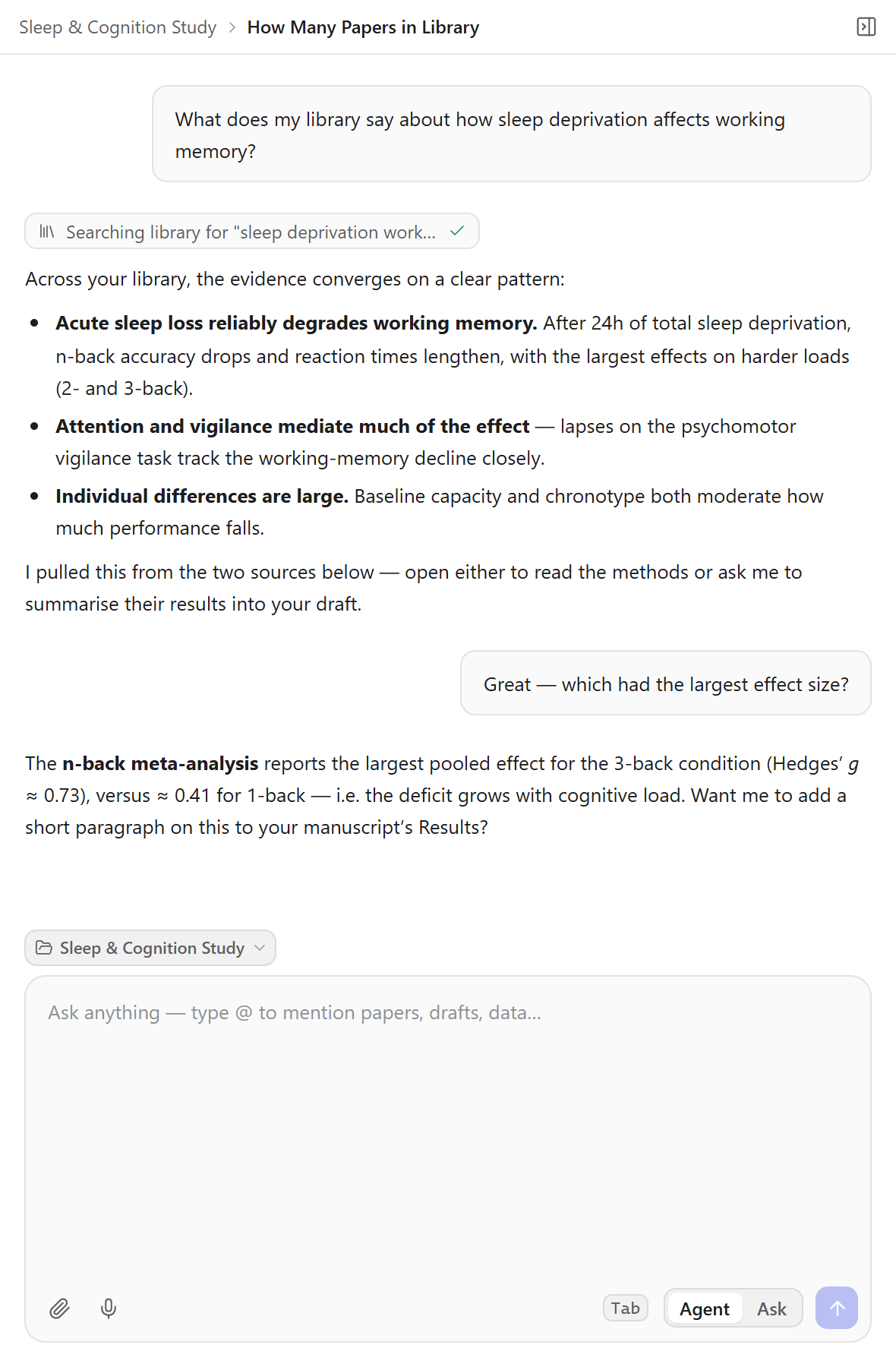
Chat with your library, not a generic chatbot
Kahubi answers from the papers, drafts, datasets, and transcripts you actually have. Type @ to pull any source into the conversation; the agent reads it, searches your library, and cites what it used.
- @-mention papers, drafts, datasets, interviews, and files
- Select text in any PDF to explain, summarize, or translate it
- Agent searches OpenAlex and the web, and imports papers for you
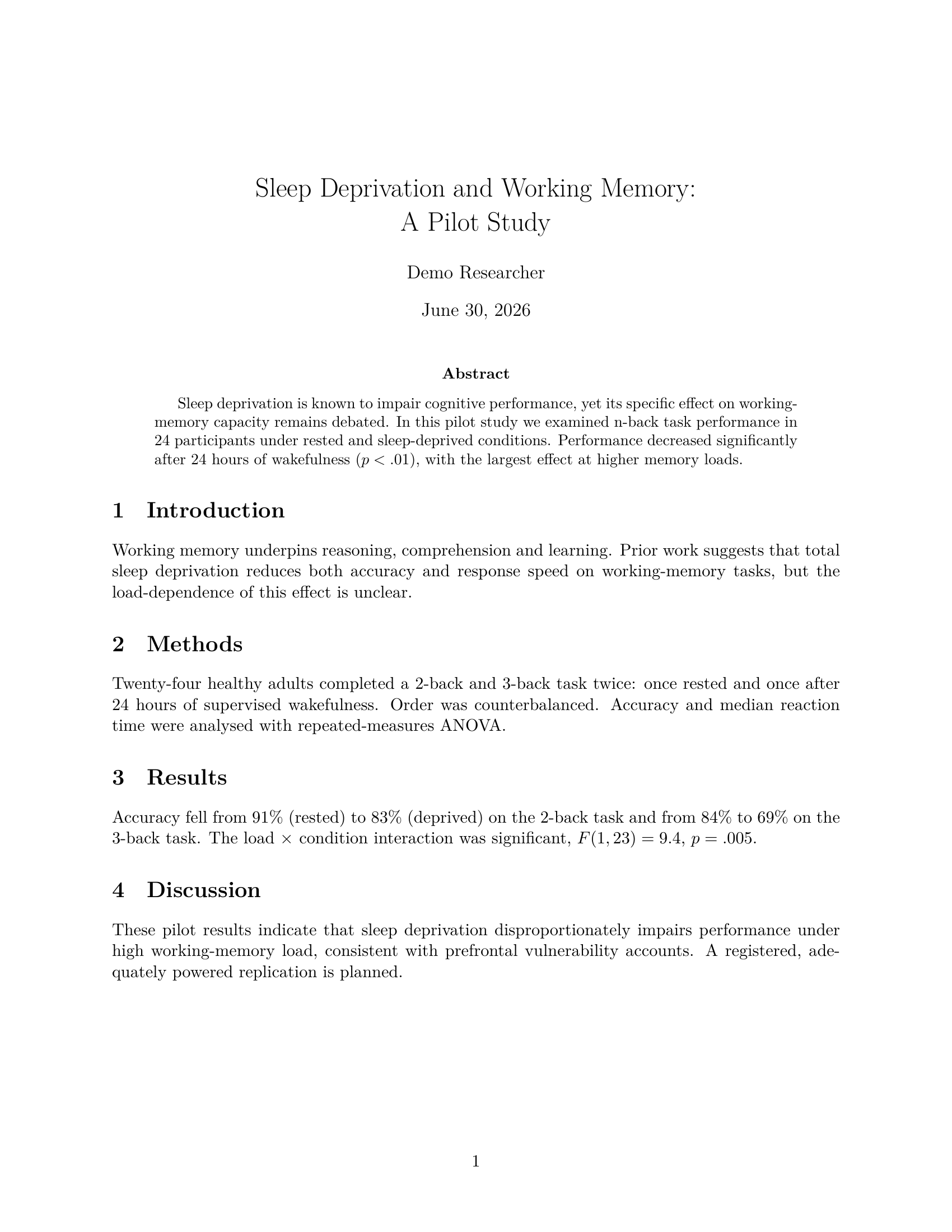
Write accurate manuscripts, grounded in your sources
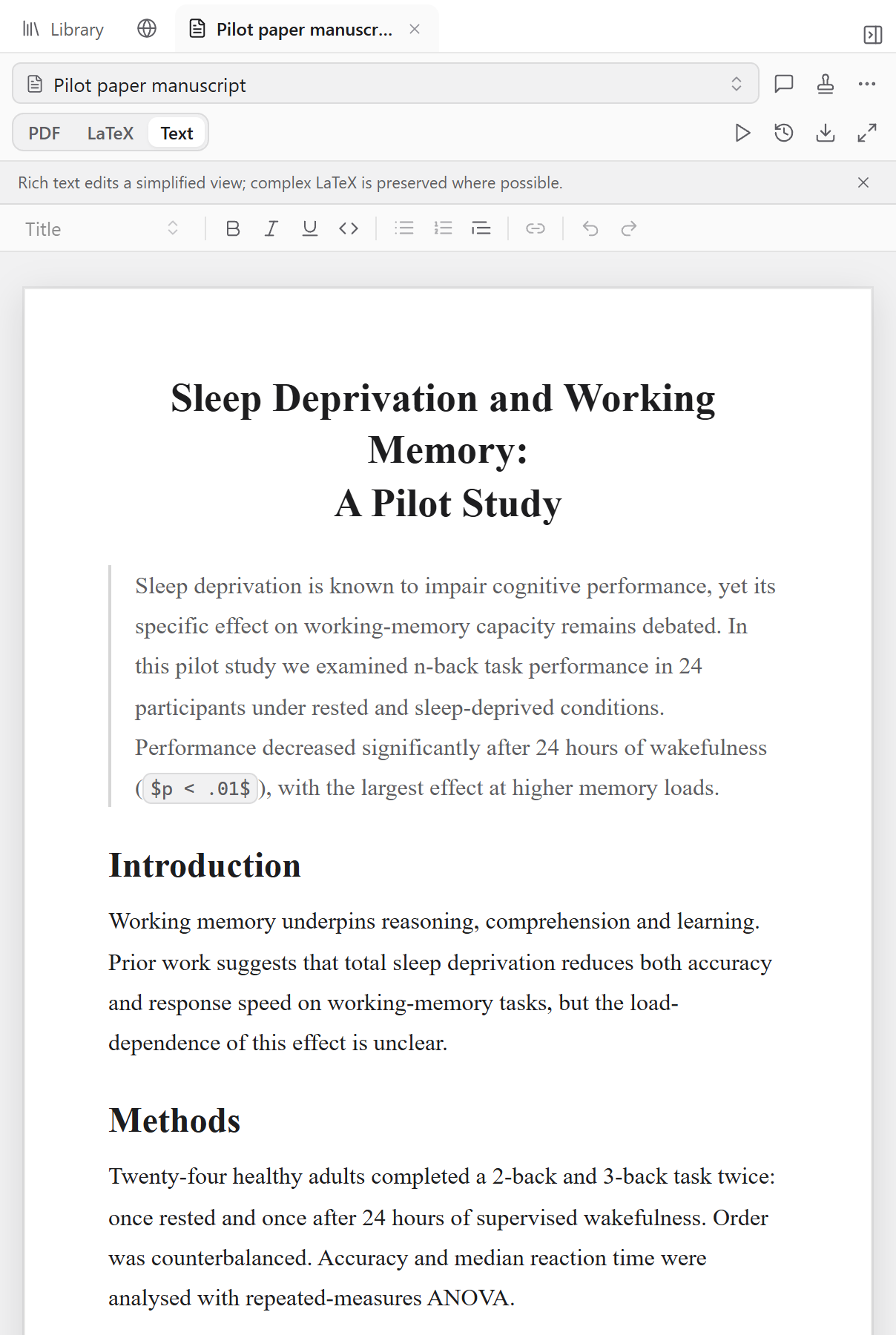
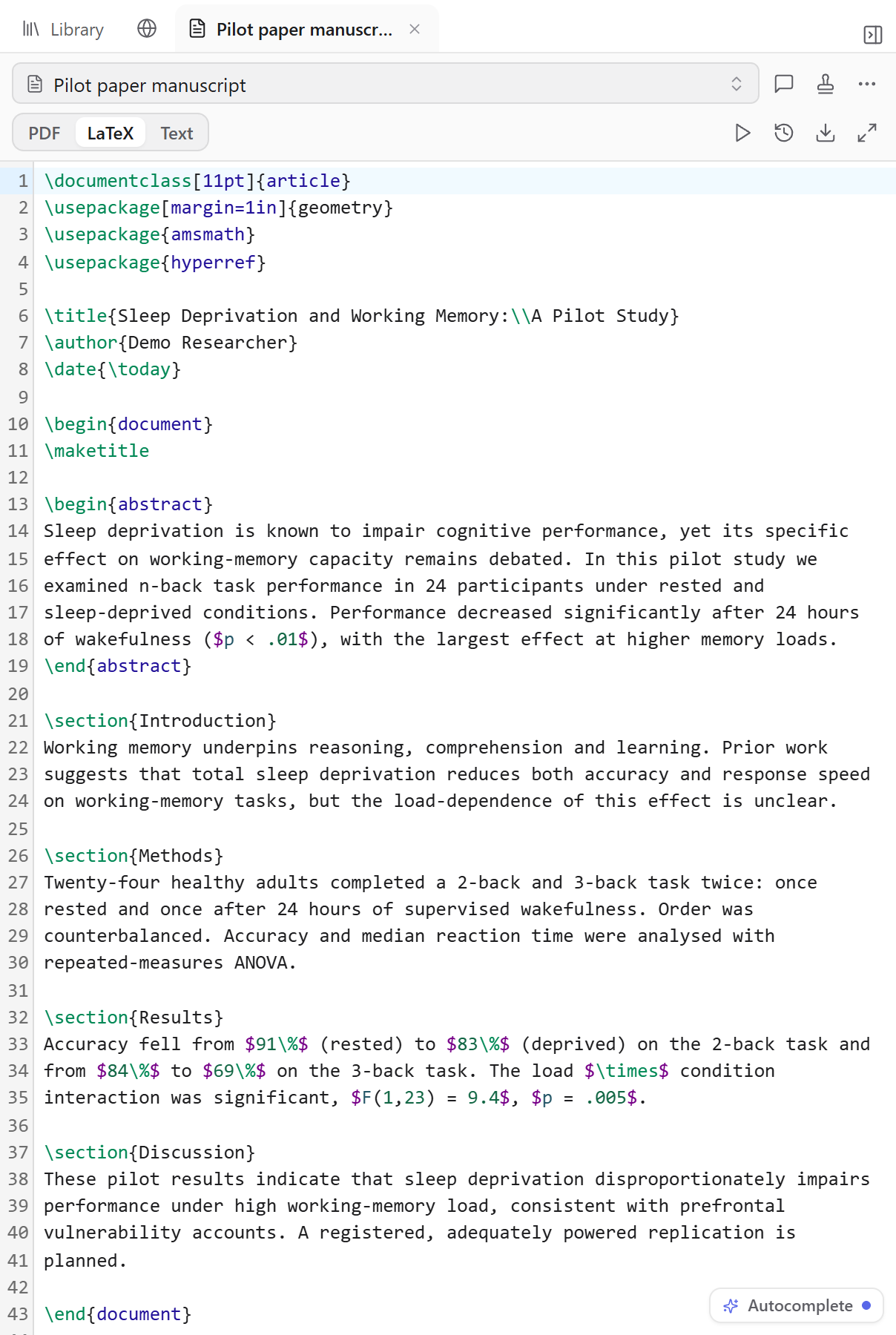
Draft in a clean editor and let the AI help — it writes in your voice, learned from your own publications, and every paragraph stays anchored to the papers, data, and notes you actually have, never invented. Read it as a formatted PDF, edit it like a Word document, or drop into LaTeX when you want fine control.
- Writes in your voice: a style profile learned from your published work, not a generic chatbot register
- Grounded in your library: the AI writes from your real papers and data, and cites what it used
- One click to a compiled PDF, plus Word (.docx) export and full version history
What changes
- Weeks of state-of-the-art review compressed into days, with sources attached
- Standing monitors on technologies and competitors instead of ad-hoc googling
- Analysis and reporting in one place, so results are reproducible and auditable
- Shared projects with viewer, commenter and editor roles, plus a discussion per project
- No training on your content, with GDPR-compliant handling throughout
Common questions
Our work is confidential. What touches the models?
We are engineers, not academics. Is this too research-flavored?
Can it help with patent work?
Stop rediscovering the state of the art
Free to start. Map the field, watch it move, and document what you build.